Chiropractor vs. Physical Therapist: What's the Difference?
Dr. Colton O'Brien
Trinity Life Chiropractic
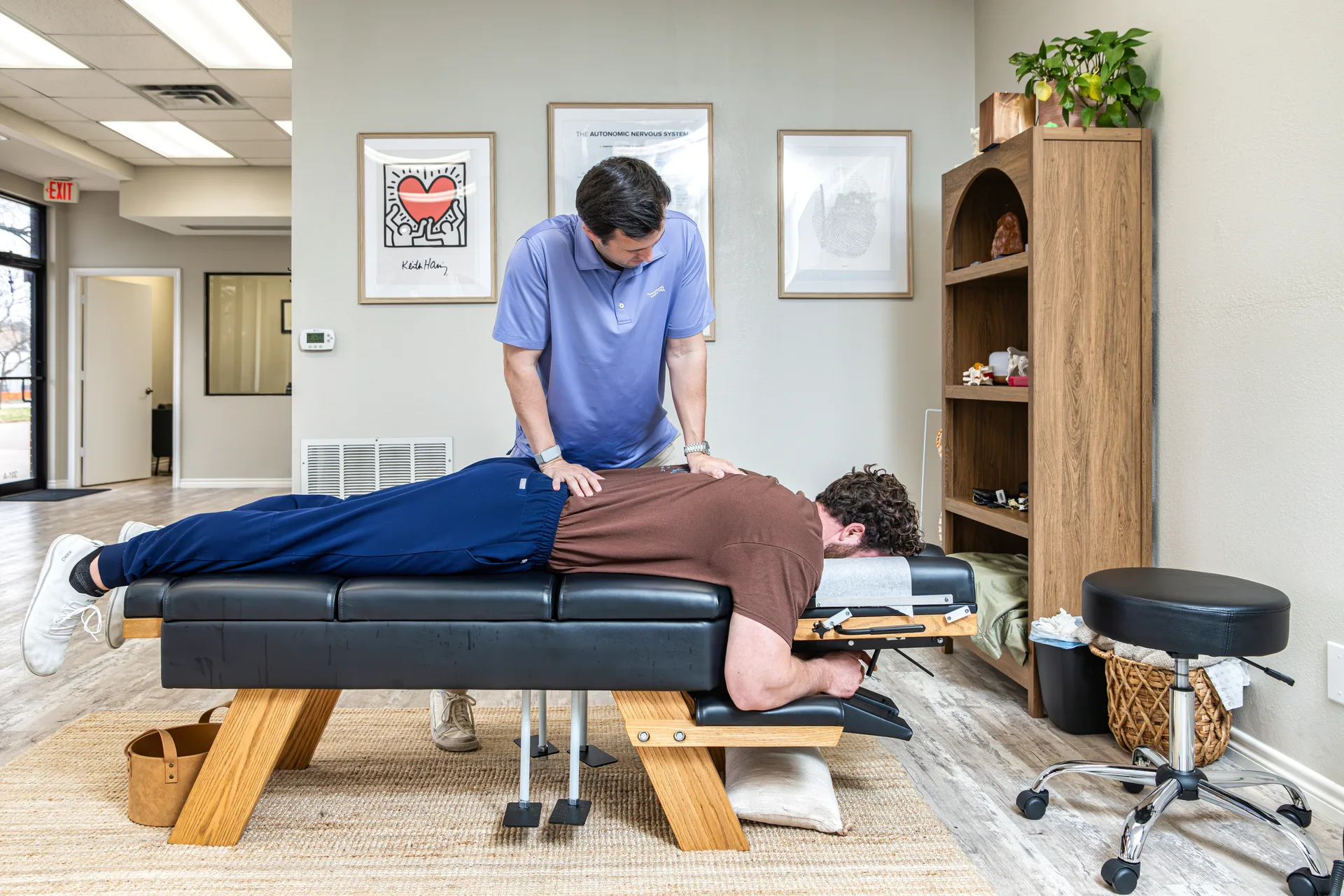
“Should I see a chiropractor or a physical therapist?” This is one of the most common questions we hear at Trinity Life Chiropractic. The short answer: they’re different disciplines that approach the body in complementary ways. Here’s how to know which is right for your situation.
The Core Difference
The simplest way to think about it:
Chiropractors focus on the spine and nervous system. We find and correct misalignments (subluxations) that interfere with how your brain communicates with your body. The goal is to restore proper nerve flow so the body can function and heal the way it was designed to.
Physical therapists focus on movement and rehabilitation. They use exercises, stretches, and manual techniques to restore mobility, strengthen weak areas, and help you recover from injuries or surgeries.
Both are valid, evidence-based approaches to healthcare. They’re not competing — they address different aspects of the same system.
Education and Training
Chiropractors (DC) complete a 4-year doctoral program after undergraduate studies, totaling approximately 4,600 hours of classroom and clinical training. The curriculum emphasizes spinal anatomy, neurology, radiology, diagnosis, and adjusting techniques. Chiropractors are licensed to diagnose and treat conditions related to the musculoskeletal and nervous systems.
Physical Therapists (DPT) also complete a doctoral-level program (Doctor of Physical Therapy), typically 3 years after a bachelor’s degree. Their training focuses on biomechanics, exercise physiology, rehabilitation techniques, and manual therapy. Physical therapists are licensed to evaluate and treat movement disorders and injuries.
Both professions require licensure, continuing education, and adherence to evidence-based practice standards.
What Chiropractors Do
At our office, a typical visit involves:
- Assessment of spinal alignment and nervous system function using INSiGHT scanning technology
- Spinal adjustment — a specific, controlled force applied to vertebrae that are misaligned or not moving properly
- Nervous system evaluation — we look at the bigger picture of how your body is adapting to stress, not just where it hurts
Chiropractic adjustments are typically quick (the adjustment itself takes seconds), and visits are shorter than PT sessions — usually 15-20 minutes for a follow-up.
The goal isn’t just to relieve pain (though that happens). The goal is to optimize how your nervous system communicates with every organ, muscle, and tissue in your body. This is why people under regular chiropractic care often report improvements in sleep, digestion, energy, and immune function — not just pain reduction.
What Physical Therapists Do
A typical PT visit involves:
- Movement assessment — identifying restrictions, weaknesses, and compensatory patterns
- Therapeutic exercise — targeted exercises to strengthen weak areas, improve range of motion, and restore function
- Manual therapy — hands-on techniques like massage, joint mobilization, and soft tissue work
- Modalities — heat, ice, ultrasound, electrical stimulation, or dry needling depending on the therapist’s training
PT sessions are typically longer (45-60 minutes) and involve active participation — you’re doing exercises, not just receiving treatment. The focus is on rehabilitation and functional movement.
When to See a Chiropractor
Chiropractic care is especially well-suited for:
- Chronic or recurring pain that hasn’t responded to other treatment — back pain, knee pain, neck pain, headaches
- Nervous system-related issues — sleep problems, digestive issues, stress, fatigue
- Pediatric concerns — colic, ADHD, developmental delays, ear infections
- Pregnancy — prenatal comfort and birth preparation
- Wellness and prevention — keeping your nervous system functioning optimally before problems develop
- Whole-family care — we see patients from newborns to seniors
When to See a Physical Therapist
Physical therapy is especially well-suited for:
- Post-surgical rehabilitation — recovering from joint replacement, ACL repair, rotator cuff surgery, etc.
- Acute injury recovery — sprains, strains, fractures after the acute phase
- Sports injuries — return-to-play protocols, sport-specific conditioning
- Neurological rehabilitation — stroke recovery, balance disorders, Parkinson’s management
- Mobility restoration — after prolonged immobilization or hospitalization
Can You See Both?
Absolutely. Many of our patients at Trinity Life Chiropractic also see physical therapists, and vice versa. The two disciplines complement each other well.
For example, a patient recovering from a car accident might see us for spinal alignment and nervous system function while simultaneously working with a PT on strengthening and mobility. The chiropractic care ensures the nervous system is clear, which actually makes the PT exercises more effective — your muscles respond better when the nerve signals reaching them are unimpeded.
We’re happy to coordinate care with your physical therapist, orthopedist, or any other provider. Collaborative care produces the best outcomes.
The Neurological Difference
Here’s what makes neurologically focused chiropractic care unique compared to both traditional chiropractic and physical therapy: we’re not just looking at where it hurts. We’re looking at how your entire nervous system is functioning.
Using our INSiGHT technology, we can objectively measure nervous system stress, identify patterns of interference, and track your progress over time. This means we’re not just treating symptoms — we’re addressing the underlying neurological patterns that create those symptoms.
This is particularly powerful for conditions that aren’t purely musculoskeletal — things like ADHD, anxiety, digestive issues, and immune challenges. These are all governed by the nervous system, and when the nervous system is free from interference, the body can regulate itself more effectively.
Ready to Find Out How Your Nervous System is Functioning?
If you’re in the Allen, TX area and want to see what neurologically focused chiropractic care can do for you or your family, we’d love to meet you. Our $150 New Patient Special includes a full consultation, INSiGHT scans, exam, and your first adjustment.
Ready to learn more?
If this article resonated with you, we'd love to help you explore how neurologically based care can help your family thrive.
Book a ConsultationRelated Articles

Chiropractic Care During Pregnancy: What to Expect
Wondering if chiropractic is safe during pregnancy? Here's what prenatal chiropractic care looks like, when to start, and how it helps with back pain, baby positioning, and preparing for labor.
Read article →
How Often Should You See a Chiropractor?
Once a week? Once a month? Only when you're in pain? Here's a straightforward guide to chiropractic visit frequency — and why the answer depends on where you are in your health journey.
Read article →