7 Signs Your Baby May Need a Chiropractor
Dr. Colton O'Brien
Trinity Life Chiropractic
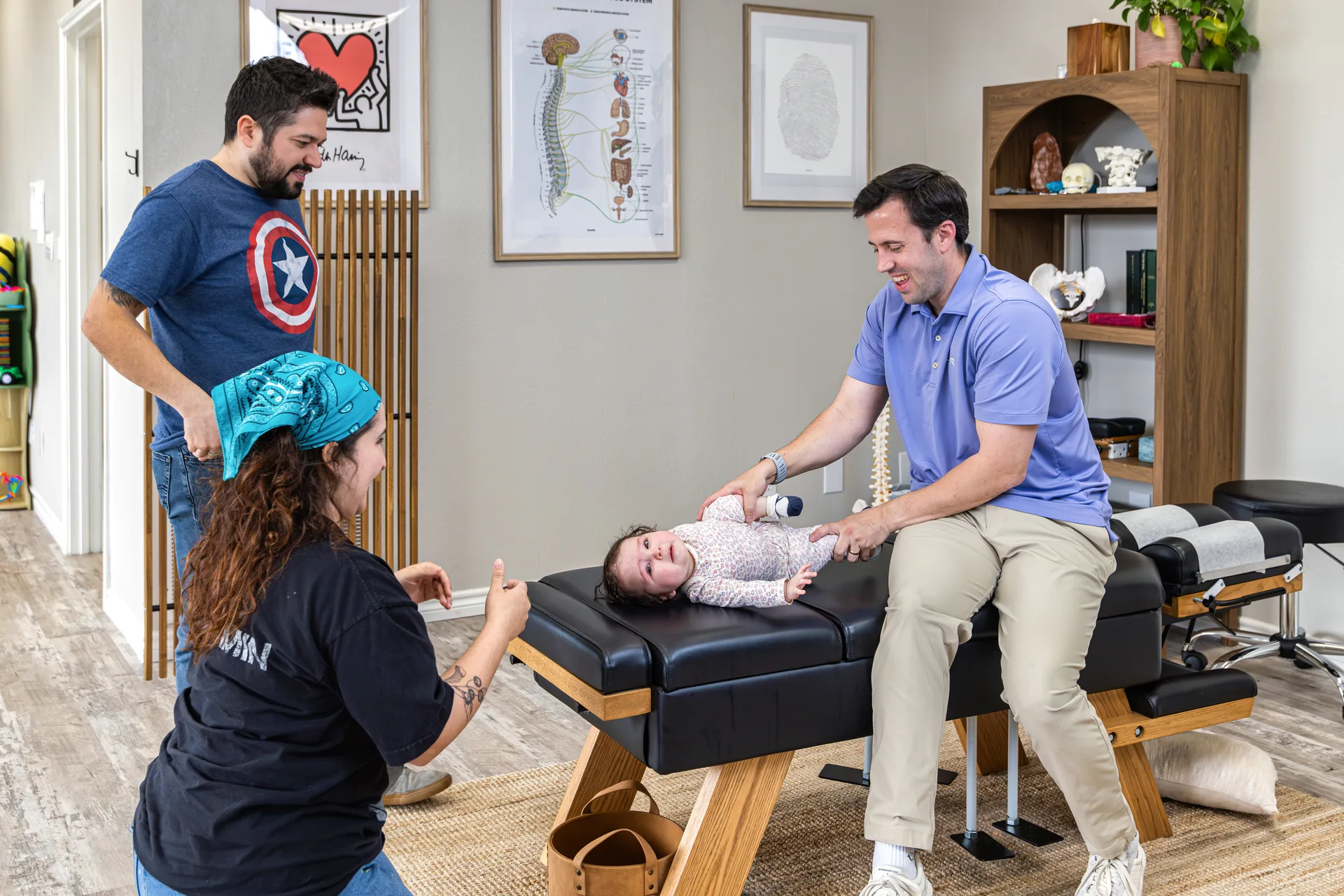
Your baby can’t tell you they have a headache, that their neck is stiff, or that something just doesn’t feel right. But they do communicate — through crying, fussiness, feeding difficulties, and sleep patterns. Learning to read these signals can help you get your baby the support they need.
As a pediatric chiropractor in Allen, TX, I see infants every week whose parents are exhausted, worried, and searching for answers. They’ve been told their baby is “just colicky” or will “grow out of it.” Sometimes that’s true. But often, these behaviors are signs that the baby’s nervous system is under stress — and gentle chiropractic care can make a significant difference.
Here are seven signs to watch for.
1. Excessive Crying That Won’t Stop
All babies cry. But if your baby cries for more than 3 hours a day, more than 3 days a week, it may be more than normal fussiness. This pattern is often labeled as colic, but colic is really just a description of symptoms, not a diagnosis.
What’s often happening underneath is irritation of the vagus nerve — the nerve that runs from the brainstem through the neck and down to the gut. When the upper cervical spine is misaligned (which can happen during birth), it can irritate this nerve and put the baby’s nervous system into a chronic stress state. The baby literally cannot calm down because their “brake pedal” isn’t working.
A gentle adjustment to the upper cervical spine can relieve this irritation. Many parents report dramatic improvement within the first few visits.
2. Reflux or Frequent Spit-Up
Gastroesophageal reflux in infants is incredibly common, but it’s not always “just something babies do.” The vagus nerve controls the function of the lower esophageal sphincter (the valve between the esophagus and stomach) and gastric motility (how food moves through the digestive tract).
When vagus nerve function is compromised due to upper cervical subluxation, the digestive system doesn’t work efficiently. The result: reflux, excessive spit-up, gas, and discomfort — especially after feeding.
We’ve helped many families at our office find relief from infant reflux through gentle chiropractic care.
3. Difficulty Nursing or Latching
If your baby struggles to latch, favors one side during nursing, or seems uncomfortable while feeding, there may be a biomechanical issue at play. Misalignment in the upper cervical spine or jaw can restrict the baby’s ability to open their mouth wide enough, turn their head fully, or coordinate the suck-swallow-breathe reflex.
Lactation consultants are excellent resources for technique and positioning, but when there’s a structural component, chiropractic care can address what a new nursing position cannot.
4. Head Tilt or Preference to One Side
If your baby consistently tilts their head to one side, turns to look in only one direction, or resists turning their head, this could indicate torticollis — tightness in the neck muscles, often related to position in the womb or the birth process.
Left unaddressed, torticollis can contribute to flat head syndrome (plagiocephaly), asymmetric development, and delayed motor milestones. Early chiropractic intervention, combined with specific stretches and exercises, can resolve torticollis and prevent downstream issues.
5. Disrupted Sleep Patterns
Babies need a lot of sleep — 14 to 17 hours a day for newborns. If your baby has difficulty falling asleep, wakes frequently, or can only sleep when held, their nervous system may be stuck in a heightened state of alertness.
The sympathetic nervous system (fight or flight) and the parasympathetic nervous system (rest and digest) need to work in balance. When the sympathetic side is dominant — often due to birth-related spinal stress — the baby’s body can’t shift into the deep, restorative sleep it needs.
Chiropractic adjustments help restore this balance, and many parents tell us improved sleep is one of the first changes they notice.
6. Arching the Back
If your baby frequently arches their back, especially during or after feeding, this can indicate discomfort in the spine or nervous system irritation. Some babies arch so severely that it looks like they’re trying to escape from being held.
This pattern is often associated with reflux and vagus nerve irritation, but it can also indicate tension in the thoracic spine (mid-back) or general nervous system overstimulation. It’s the baby’s way of trying to relieve pressure they can’t verbalize.
7. Constipation or Digestive Distress
The nerves that control bowel function exit the lower spine. When there’s subluxation in this area, it can slow motility and contribute to constipation, gas, and general digestive discomfort.
Babies who strain excessively during bowel movements, go several days without a bowel movement, or seem to have frequent stomach discomfort may benefit from having their spine checked.
Why Does This Happen?
The most common cause is the birth process itself. Even in uncomplicated deliveries, the amount of force on a baby’s neck and head is significant. C-sections, vacuum extraction, forceps, prolonged pushing, and awkward positioning can all increase the physical stress on the baby’s spine.
This doesn’t mean anything went “wrong” during delivery. Birth is an intense physical event. But just as adults benefit from chiropractic care after physical stress, babies do too.
What Does a Visit Look Like for a Baby?
At Trinity Life Chiropractic, a baby’s first visit includes:
- A conversation with you about the pregnancy, birth, and your baby’s symptoms
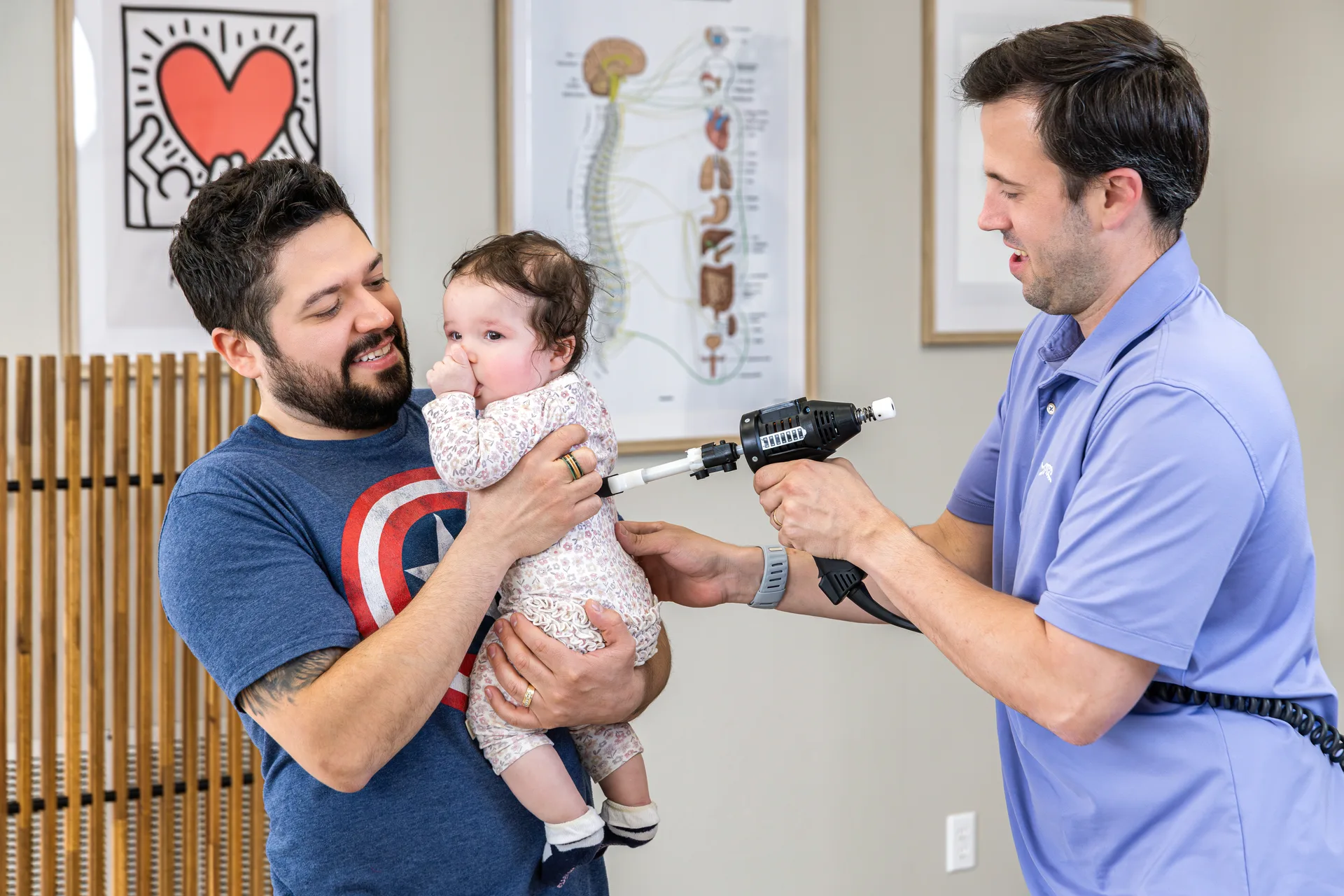
- Non-invasive INSiGHT scans to assess nervous system function
- A gentle physical assessment
- If appropriate, a feather-light adjustment — using sustained fingertip pressure, not the kind of adjustment you’d picture for an adult
Most babies relax during the adjustment. Many fall asleep. Parents are often surprised at how gentle it is.
Trust Your Instincts
You know your baby better than anyone. If something feels off — even if you can’t articulate exactly what — trust that instinct. You don’t need a referral or a diagnosis to bring your baby in for a check-up.
Our $150 Pediatric New Patient Special includes everything you need to get your baby’s nervous system assessed. Early intervention makes a difference.
Ready to learn more?
If this article resonated with you, we'd love to help you explore how neurologically based care can help your family thrive.
Book a ConsultationRelated Articles
What Does a Pediatric Chiropractor Do?
A pediatric chiropractor specializes in the spine and nervous system of infants, children, and teens. Here's what they do, how it's different from adult chiropractic, and when to bring your child in.
Read article →
Why Kids Need Chiropractic Care Too
Many parents are surprised to learn that children can benefit from chiropractic adjustments. But if you think about what a child's body goes through from birth through adolescence, it makes perfect sense.
Read article →