What Does a Pediatric Chiropractor Do?
Dr. Colton O'Brien
Trinity Life Chiropractic
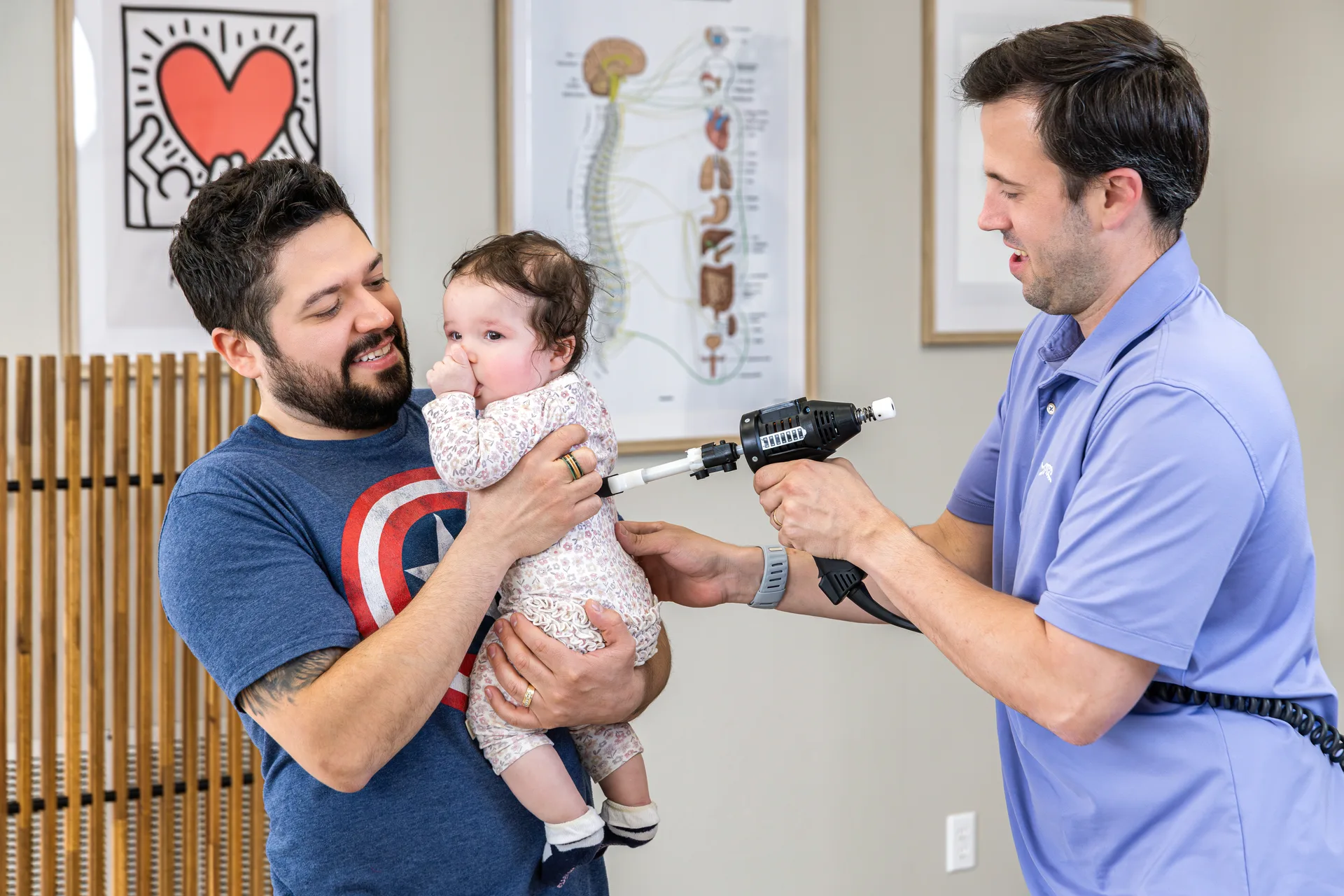
If you’ve never taken your child to a chiropractor, you probably have questions. What exactly does a pediatric chiropractor do? Is it safe for babies? What conditions does it help with? Let’s break it all down.
What Makes Pediatric Chiropractic Different?
A pediatric chiropractor is a chiropractor with specialized training in the unique anatomy, development, and needs of children from birth through adolescence. While the underlying principles are the same as adult chiropractic — find and correct misalignments (subluxations) that interfere with nervous system function — the techniques and approach are very different.
For infants, the amount of pressure used is incredibly light. We’re talking about the same amount of pressure you’d comfortably apply to your own eyelid. There is no cracking, popping, or twisting. The adjustments are gentle, sustained touches that guide the vertebrae back into proper alignment.
For older children and teens, the techniques scale appropriately with their size and development, but they’re still far gentler than what most adults experience.
At Trinity Life Chiropractic in Allen, TX, I hold certifications through the International Chiropractic Pediatric Association (ICPA) and have additional training in pediatric neurological assessment. Kids are not just small adults — their spines, nervous systems, and developmental needs require a specialized approach.
What Does a Visit Look Like?
A pediatric chiropractic visit at our office typically includes three components:
1. Assessment and history. We talk with the parents about the child’s birth history, developmental milestones, sleep, diet, behavior, and any specific concerns. For infants, we ask detailed questions about the birth process — was it vaginal or C-section? Were there interventions? How is nursing going?
2. INSiGHT scanning. We use NASA-certified INSiGHT technology to objectively measure how the child’s nervous system is functioning. These scans are completely non-invasive and painless. They measure three things: muscle tension along the spine (sEMG), thermal patterns indicating inflammation or nerve irritation, and heart rate variability (HRV), which shows how well the nervous system adapts to stress.
3. Gentle adjustment. If we identify areas of subluxation, we perform age-appropriate adjustments. For newborns, this involves light fingertip pressure held for a few seconds. Many babies sleep right through it. For older kids, we may use instrument-assisted techniques (like the Activator) or gentle manual adjustments depending on what their body needs.
What Conditions Does Pediatric Chiropractic Help?
It’s important to understand that chiropractors don’t treat specific diseases or conditions. What we do is remove interference in the nervous system so the body can function and heal the way it was designed to. That said, parents commonly bring their children to us for:
- Colic and reflux — Irritation of the vagus nerve in the upper cervical spine is often at the root of infant digestive distress.
- Sleep difficulties — A nervous system stuck in “fight or flight” can’t wind down for restful sleep.
- Ear infections — Misalignment in the upper cervical spine can impair eustachian tube drainage, creating an environment for recurring infections.
- ADHD and sensory processing — Nervous system dysregulation affects focus, emotional control, and sensory integration.
- Developmental delays — Crawling, walking, speech, and coordination milestones are all neurologically driven.
- Torticollis and flat head — Neck tightness and positional preferences often respond well to gentle adjustment.
- Bedwetting — The nerves that control bladder function exit the lower spine. Subluxation in this area can contribute to enuresis.
- Growing pains — Not all “growing pains” are actually about growth. Many are related to spinal tension and muscular imbalance.
Is It Safe?
Yes. Pediatric chiropractic care has an excellent safety record. A systematic review published in the journal Chiropractic & Manual Therapies found that adverse events from pediatric chiropractic care are extremely rare and, when they occur, are mild and self-limiting (such as fussiness or brief crying).
The techniques used for children are specifically designed for their smaller, more flexible bodies. At our office, we never use the same force or technique on a child that we would on an adult. Every adjustment is tailored to the child’s age, size, and specific needs.
When Should You Bring Your Child In?
The short answer: as early as possible. We recommend having newborns checked within the first few weeks of life, especially if the birth involved any interventions (C-section, vacuum, forceps, induction) or if the baby is showing signs of difficulty nursing, excessive crying, or poor sleep.
Beyond infancy, good times to have your child checked include:
- After learning to walk (all those falls add up)
- When starting school (heavy backpacks, desk sitting)
- During growth spurts
- When behavioral or sleep issues emerge
- Before and during sports seasons
You don’t need to wait for a problem. Just like dental check-ups, chiropractic check-ups are about prevention.
The Bottom Line
A pediatric chiropractor helps your child’s nervous system function at its best during the most critical years of growth and development. The care is gentle, safe, and backed by a growing body of research. Most importantly, the results speak for themselves — parents consistently tell us they wish they had started sooner.
If you’re curious about how your child’s nervous system is functioning, we’d love to meet your family. Our $150 Pediatric New Patient Special includes everything you need to get started.
Ready to learn more?
If this article resonated with you, we'd love to help you explore how neurologically based care can help your family thrive.
Book a ConsultationRelated Articles
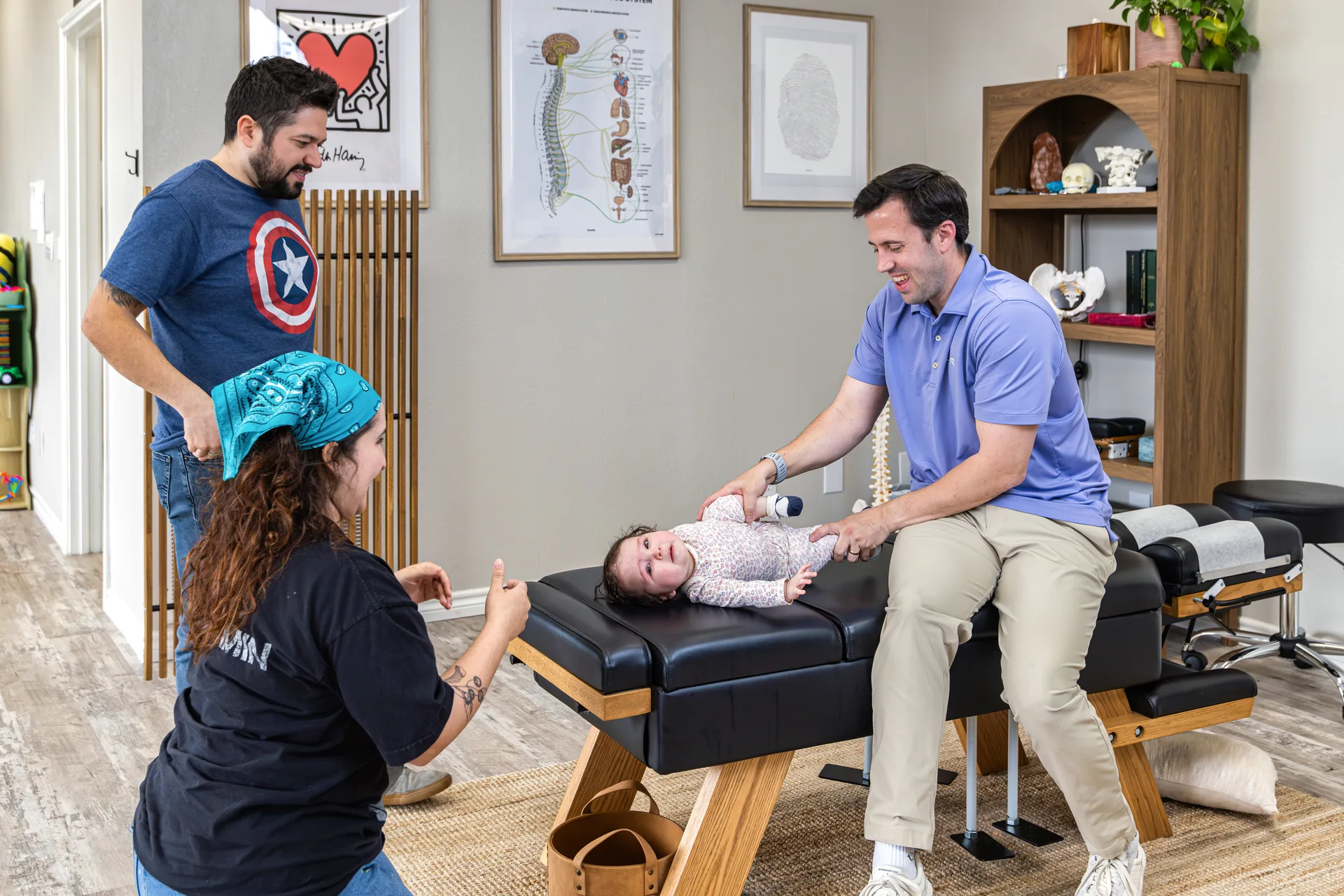
7 Signs Your Baby May Need a Chiropractor
Babies can't tell you what's wrong. But their behavior speaks volumes. Here are 7 signs that your baby's nervous system may need support — and how gentle chiropractic care can help.
Read article →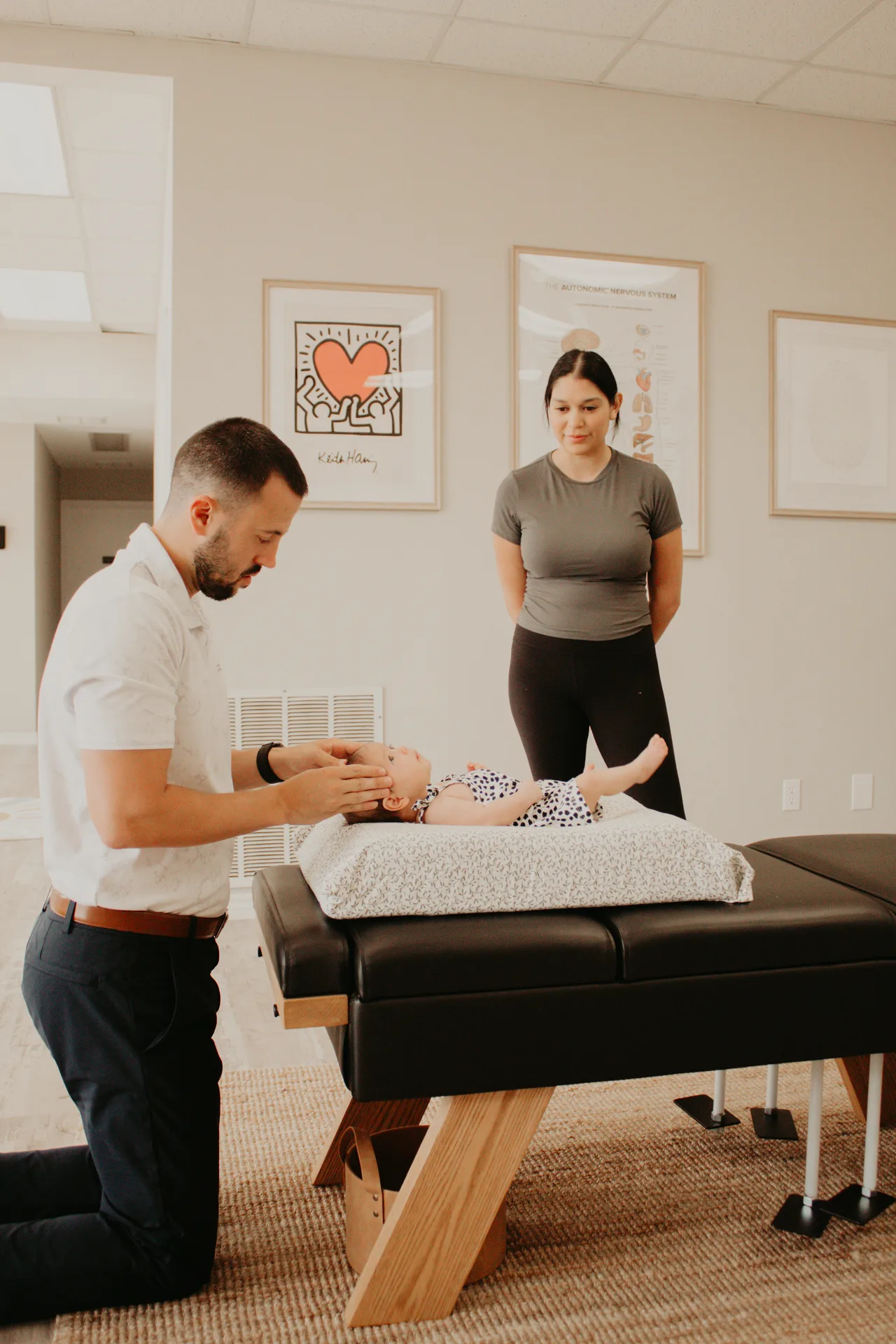
Why Kids Need Chiropractic Care Too
Many parents are surprised to learn that children can benefit from chiropractic adjustments. But if you think about what a child's body goes through from birth through adolescence, it makes perfect sense.
Read article →