Pediatric Care
Chiropractic Care for Growing Pains in Allen, TX
Growing pains are common in children, but they're often dismissed as normal when they may indicate spinal tension, muscular imbalance, or nervous system stress that responds well to gentle chiropractic care.
Common signs of growing pains
- Aching legs, especially at night
- Pain in the thighs, calves, or behind the knees
- Pain that comes and goes over weeks or months
- Difficulty settling down for sleep due to discomfort
- Restlessness or frequent position changes at night
- Complaints of sore legs after physical activity
- Stiffness or difficulty getting moving in the morning
- Pain in both legs rather than just one
- Irritability or mood changes from disrupted sleep
- Asking to be carried more than usual
How we care for growing pains
Despite the name, growing pains are not actually caused by growth. Decades of research have found no correlation between growth rate and the occurrence of these pains. Instead, current evidence suggests they're related to overuse, muscle fatigue, biomechanical stress, and in many cases, nervous system sensitivity that makes normal physical demands feel more painful than they should. This distinction matters because it changes how we approach the problem — rather than waiting for a child to "grow out of it," we can often identify and address what's actually driving the discomfort.
The spine and pelvis form the structural foundation for everything your child does — running, jumping, sitting in class, sleeping. When vertebrae in the lower spine or pelvis are misaligned, it creates uneven weight distribution through the hips and legs. One leg may functionally bear more load than the other, or the muscles on one side may work harder to compensate for the imbalance. Over the course of an active day, this leads to the muscle fatigue and aching that children describe as growing pains. The pattern of symptoms — worse at night after a full day of activity, often in both legs — is consistent with cumulative biomechanical stress rather than a single injury.
At our office, we start with a thorough evaluation of your child's spine, pelvis, and posture. We check for spinal misalignments, pelvic imbalance, and functional leg length discrepancy — where one leg appears shorter not because the bones are different lengths but because the pelvis is rotated or tilted. We also use our INSiGHT scanning technology to assess nervous system function. These scans are completely painless and take just a few minutes, but they give us objective data about how well your child's nervous system is managing stress and coordinating movement.
Gentle, age-appropriate adjustments restore proper alignment to the spine and pelvis, rebalancing the musculoskeletal system so that both sides of the body share the load evenly. Children typically respond very quickly to chiropractic care — much faster than adults — because their spines haven't had years of accumulated damage. Many parents report that their child's leg pains decrease significantly within the first few visits and often settle within a few weeks. The adjustments themselves are very gentle; for younger children, we use fingertip pressure techniques that are comfortable and sometimes even enjoyable.
Beyond the structural component, we also assess whether nervous system stress may be amplifying your child's pain perception. A nervous system stuck in a sympathetic-dominant (fight-or-flight) state processes sensory input differently — normal muscle fatigue can register as significant pain. This is especially common in children who are also experiencing sleep difficulties, anxiety, or sensory sensitivities. By reducing interference in the nervous system through specific adjustments, we help the body return to a more balanced state where normal physical activity doesn't result in disproportionate discomfort.
We encourage parents not to dismiss growing pains as something to simply endure. While they're rarely dangerous, they affect your child's sleep quality, activity level, and overall comfort. They may also be an early indicator of postural patterns or spinal imbalances that, if left unaddressed, can become more significant as the child continues to grow. A quick evaluation can either rule out structural issues — giving you peace of mind — or identify something we can help with. Either way, your child wins.
Growing Pains: questions families ask
Are growing pains in children normal?
They're very common — affecting up to 40% of children — but common doesn't mean they should be ignored. Growing pains can indicate spinal or muscular imbalances, nervous system stress, or biomechanical issues that are worth evaluating, especially if the pain is frequent, severe, or disrupting sleep.
At what age do growing pains start and stop?
Growing pains most commonly affect children between ages 3 and 12, with peak periods around ages 4-5 and again at 8-12. Some children experience them throughout their growth years. They tend to decrease as the child enters adolescence, though the underlying spinal imbalances may persist.
How is chiropractic different from giving my child pain medication?
Pain medication can ease the ache for a while. Chiropractic care looks at the structural and neurological factors that may be adding to the pain — things like pelvic imbalance, spinal misalignment, and nervous system stress. Many parents like this approach because it's drug-free and looks at why the pain is happening.
Can growing pains be a sign of something more serious?
In rare cases, persistent leg pain in children can indicate other conditions. That's one reason we recommend evaluation rather than assuming all leg pain is 'just growing pains.' During our examination, we screen for red flags and refer to your pediatrician if we identify anything that needs further workup.
How many chiropractic visits does a child with growing pains need?
Children typically respond much faster than adults. Many kids see significant improvement within 3-6 visits. We create an individualized care plan based on your child's specific findings and adjust it as they improve. Our goal is always to get them feeling better and back to being active as quickly as possible.
Will my child's growing pains come back after chiropractic care?
Once spinal and pelvic imbalances are addressed, many children stay comfortable. We recommend periodic check-ups — especially during rapid growth phases — to make sure the spine stays aligned as the body changes. Think of it like dental checkups for the spine.
Related conditions
Other concerns we help with.
Constipation (Infant & Child)
Constipation in babies and children is often linked to nervous system interference affecting gut motility and digestive function. Gentle chiropractic adjustments aim to support nerve communication to the digestive system, a drug-free option alongside your pediatrician's advice.
Poor Sleep & Insomnia
Poor sleep affects everything — mood, focus, immune function, and healing. When the nervous system is stuck in a stressed state, the body physically cannot wind down for restful sleep, no matter how many supplements or sleep hygiene tips you try.
Scoliosis
Scoliosis is an abnormal lateral curvature of the spine that can cause pain, postural imbalance, and reduced mobility. While chiropractic care cannot eliminate a structural curve, it can play a helpful role in managing scoliosis — improving spinal function, reducing nerve interference, and monitoring for progression.
Tongue Tie
Tongue tie (ankyloglossia) restricts tongue movement and can affect nursing, feeding, speech development, and breathing. While a release procedure addresses the tissue restriction, chiropractic care supports the muscles, nerves, and cranial structures involved in oral function — improving outcomes before and after a release.
Torticollis (Infant)
Torticollis is a condition where a baby's neck muscles are tight on one side, causing the head to tilt or rotate in one direction. It's one of the most common musculoskeletal issues in newborns and can lead to flat head syndrome, developmental delays, and nursing difficulties if not addressed early.

Chronic Neck Pain
Neck pain that lingers for weeks or months is rarely just muscle tightness. It's usually a sign of spinal misalignment creating nerve interference, chronic muscle tension, and progressive degeneration that often won't settle on its own.
Our services
Explore our chiropractic care.
ADHD & Sensory Care
Quieting the Storm Inside

Colic & Reflux Relief
Soothing the Unsettled Baby
Ear Infections & Immunity
Gentle Support Alongside Your Pediatrician
Kids & Teens
Navigating Growth Spurts and School Stress
Pediatric Chiropractic
Because Healthy Kids Grow Into Healthy Adults

Back Pain Relief
Drug-Free Back Pain Treatment in Allen, TX
From the blog
Articles for families.
Chiropractic for Colic: A Gentle Approach to Fussy Babies
Chiropractic for colic uses gentle, sustained-contact adjustments that may calm a fussy baby's nervous system. Here's how the approach works.
Tech Neck in Teenagers: Signs, Causes & Relief
Tech neck in teenagers comes from hours looking down at screens. Learn the signs, causes, and gentle ways to help your teen feel better.
How Often Should Kids See a Chiropractor?
How often kids should see a chiropractor depends on their age, goals, and how their nervous system responds. Here's a simple guide for parents.
@trinitylifechiropractic
Life inside the practice.
Adjustments, first visits, and the Allen families we get to care for — straight from our Instagram.
Visit Us in Allen
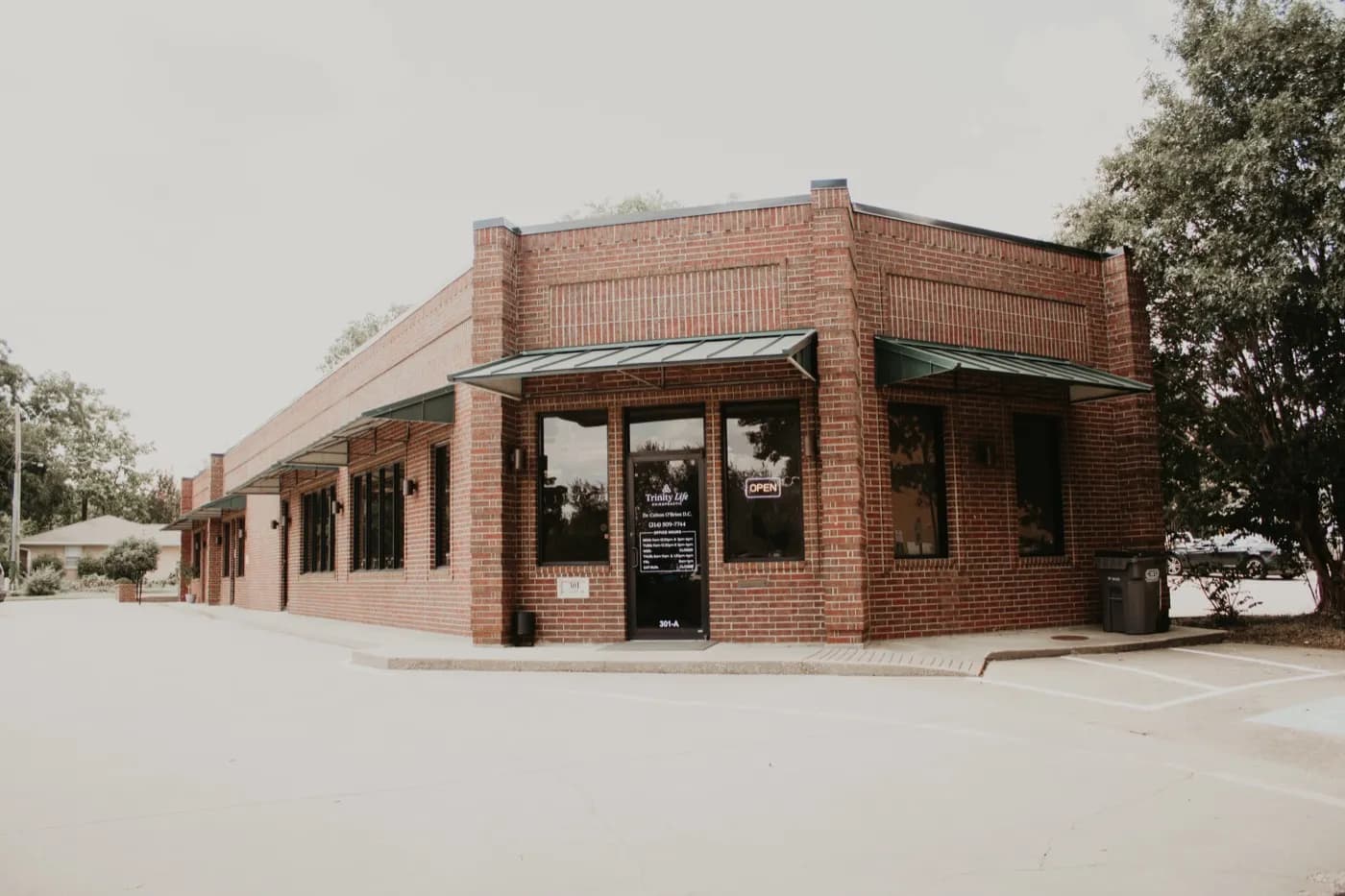
We are conveniently located on North Allen Drive. Our office is designed to be accessible and comfortable for families.
Our Location
301 N Allen Dr,
Allen, TX 75013
Office Hours
Send Us a Message