Pediatric Care
Scoliosis Chiropractor in Allen, TX
Scoliosis is an abnormal lateral curvature of the spine that can cause pain, postural imbalance, and reduced mobility. While chiropractic care cannot eliminate a structural curve, it can play a helpful role in managing scoliosis — improving spinal function, reducing nerve interference, and monitoring for progression.
Common signs of scoliosis
- Visible curvature or S-shape of the spine
- Uneven shoulders — one higher than the other
- Uneven hips or waistline
- One shoulder blade protruding more than the other
- Back pain or muscle fatigue, especially after standing or sitting
- Reduced flexibility or range of motion
- Clothing fitting unevenly or hemlines appearing crooked
- Ribcage prominence on one side when bending forward
- Muscle tightness or spasms on one side of the back
- Feeling off-balance or leaning to one side
How we care for scoliosis
A scoliosis diagnosis can feel overwhelming, especially for parents who discover their child's spine is curving during a growth period. We want to be transparent from the start: chiropractic care cannot cure or eliminate a structural scoliotic curve. What it can do — and does very effectively — is improve how the spine functions within that curve, reduce the pain and tension it creates, and in growing children and teens, support strategies to slow or limit progression. For many people with scoliosis, the difference between a spine that functions well and one that doesn't isn't the curve itself — it's how well the nervous system and musculoskeletal system are managing around it.
Scoliosis creates compensatory patterns throughout the entire body. When the spine curves laterally, the muscles on one side shorten and tighten while the muscles on the opposite side stretch and weaken. The vertebrae within the curve rotate, which can put pressure on the nerves exiting at those levels. The ribs may shift, affecting breathing mechanics. The pelvis often tilts to compensate, which affects hip and leg function. Over time, these compensatory patterns — not the curve itself — are often what causes the most pain and dysfunction. This is exactly where chiropractic care makes a significant difference.
Our approach to scoliosis begins with a thorough evaluation that includes postural analysis, range of motion testing, and our INSiGHT neurological scans. The scans are particularly valuable for scoliosis because they show us where nerve interference is occurring — information that's distinct from what an X-ray shows. An X-ray tells us the shape of the curve; the INSiGHT scan tells us how the curve is affecting nervous system function. Both pieces of information are important. We coordinate with your orthopedic provider regarding imaging and work collaboratively on care planning, especially for pediatric cases where monitoring curve progression is critical.
Gentle, specific adjustments target the vertebrae within and around the curve that are creating the most interference and restriction. We're not trying to force the spine straight — we're restoring mobility to segments that have become locked or restricted due to the curvature, and reducing the nerve irritation that contributes to pain and muscle tension. Many patients notice reduced stiffness, less muscle fatigue, and decreased pain within the first few weeks of care. Over time, as the compensatory tension patterns release, posture often improves and the body moves more symmetrically — even though the curve measurement may not dramatically change.
For children and adolescents with scoliosis, the stakes are higher because the curve can progress rapidly during growth spurts. This is where regular monitoring and proactive care matter most. We track progression using objective measurements and coordinate with orthopedic specialists regarding bracing decisions. Chiropractic care during this period helps maintain spinal mobility, reduce the compensatory muscle imbalances that can accelerate curve progression, and support the nervous system's ability to manage the structural demands of a curving spine. Many families find that chiropractic care is a valuable complement to bracing and physical therapy, not a replacement for them.
For adults living with scoliosis, the goals shift toward maintaining function, managing pain, and preventing degeneration. A scoliotic spine experiences uneven loading over decades, which can accelerate disc degeneration and arthritis on the compressed side of the curve. Regular chiropractic care helps manage these effects by maintaining mobility, reducing nerve irritation, and preventing the compensatory patterns from tightening further. Many adults with scoliosis find that consistent care allows them to stay active, comfortable, and avoid the progressive stiffness and pain that would otherwise worsen with age.
Scoliosis: questions families ask
Can chiropractic fix or cure scoliosis?
Chiropractic care cannot eliminate a structural scoliotic curve. However, it can significantly improve spinal function, reduce pain, decrease nerve interference, support your child's bracing or monitoring plan, and improve quality of life. Many patients with scoliosis find that regular chiropractic care helps them stay active and comfortable long-term.
Should children with scoliosis see a chiropractor?
Yes. Growth periods are when monitoring matters most, and gentle care can support overall spinal health. We monitor the spine closely, coordinate with orthopedic providers regarding bracing, and adjust our approach as the child grows. Chiropractic care is a valuable complement to other scoliosis management strategies.
How often should someone with scoliosis get adjusted?
Frequency depends on the severity of the curve, symptoms, and whether the patient is still growing. During active growth periods, more frequent monitoring and care may be appropriate. For adults managing scoliosis, many patients do well with periodic visits — typically every 2-4 weeks — to maintain function. We create individualized plans based on INSiGHT scan results and clinical findings.
Can scoliosis get worse over time without treatment?
In children and adolescents, curves can progress significantly during growth spurts — this is well-documented. In adults, progression is typically slower but can still occur, especially curves over 30 degrees. More commonly in adults, the consequences of scoliosis — pain, stiffness, degeneration — worsen without care, even if the curve measurement doesn't change dramatically.
Does scoliosis cause nerve problems?
Yes. The rotation and lateral shift of the vertebrae within a scoliotic curve can create pressure on the nerves exiting the spine at those levels. This nerve interference can contribute to pain, muscle imbalance, and reduced function. Our INSiGHT scans specifically measure this nerve interference, which helps us target our adjustments where they're needed most.
Can I still exercise and play sports with scoliosis?
In most cases, absolutely. Staying active is actually beneficial for scoliosis because it helps maintain muscle strength and spinal flexibility. We can advise on which activities are best suited for your specific curve pattern and help you stay active safely. Many of our scoliosis patients are athletes who maintain excellent function with regular care.
Related conditions
Other concerns we help with.

Constipation (Infant & Child)
Constipation in babies and children is often linked to nervous system interference affecting gut motility and digestive function. Gentle chiropractic adjustments aim to support nerve communication to the digestive system, a drug-free option alongside your pediatrician's advice.
Growing Pains
Growing pains are common in children, but they're often dismissed as normal when they may indicate spinal tension, muscular imbalance, or nervous system stress that responds well to gentle chiropractic care.
Poor Sleep & Insomnia
Poor sleep affects everything — mood, focus, immune function, and healing. When the nervous system is stuck in a stressed state, the body physically cannot wind down for restful sleep, no matter how many supplements or sleep hygiene tips you try.
Tongue Tie
Tongue tie (ankyloglossia) restricts tongue movement and can affect nursing, feeding, speech development, and breathing. While a release procedure addresses the tissue restriction, chiropractic care supports the muscles, nerves, and cranial structures involved in oral function — improving outcomes before and after a release.
Torticollis (Infant)
Torticollis is a condition where a baby's neck muscles are tight on one side, causing the head to tilt or rotate in one direction. It's one of the most common musculoskeletal issues in newborns and can lead to flat head syndrome, developmental delays, and nursing difficulties if not addressed early.

Chronic Neck Pain
Neck pain that lingers for weeks or months is rarely just muscle tightness. It's usually a sign of spinal misalignment creating nerve interference, chronic muscle tension, and progressive degeneration that often won't settle on its own.
Our services
Explore our chiropractic care.
ADHD & Sensory Care
Quieting the Storm Inside

Colic & Reflux Relief
Soothing the Unsettled Baby
Ear Infections & Immunity
Gentle Support Alongside Your Pediatrician
Kids & Teens
Navigating Growth Spurts and School Stress
Pediatric Chiropractic
Because Healthy Kids Grow Into Healthy Adults

Back Pain Relief
Drug-Free Back Pain Treatment in Allen, TX
From the blog
Articles for families.
Chiropractic for Colic: A Gentle Approach to Fussy Babies
Chiropractic for colic uses gentle, sustained-contact adjustments that may calm a fussy baby's nervous system. Here's how the approach works.
Tech Neck in Teenagers: Signs, Causes & Relief
Tech neck in teenagers comes from hours looking down at screens. Learn the signs, causes, and gentle ways to help your teen feel better.
How Often Should Kids See a Chiropractor?
How often kids should see a chiropractor depends on their age, goals, and how their nervous system responds. Here's a simple guide for parents.
@trinitylifechiropractic
Life inside the practice.
Adjustments, first visits, and the Allen families we get to care for — straight from our Instagram.
Visit Us in Allen
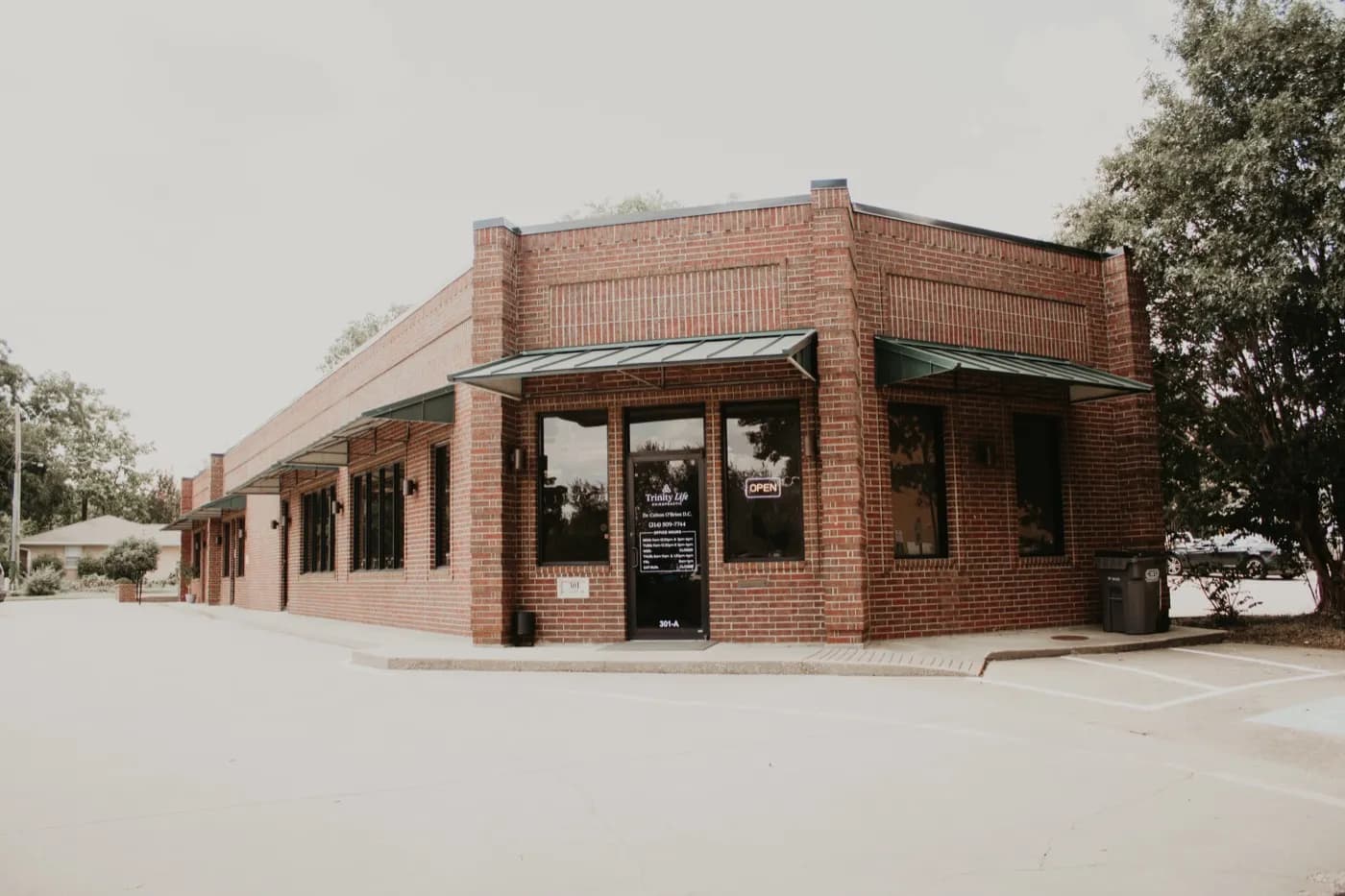
We are conveniently located on North Allen Drive. Our office is designed to be accessible and comfortable for families.
Our Location
301 N Allen Dr,
Allen, TX 75013
Office Hours
Send Us a Message